A Warm Welcome to
Time for Change
Therapies CIC
A good place to start Your journey
COUNSELLING AND THERAPY FOR INDIVIDUALS AND COUPLES
Welcome, and thank you for visiting Time for Change Therapies CIC.
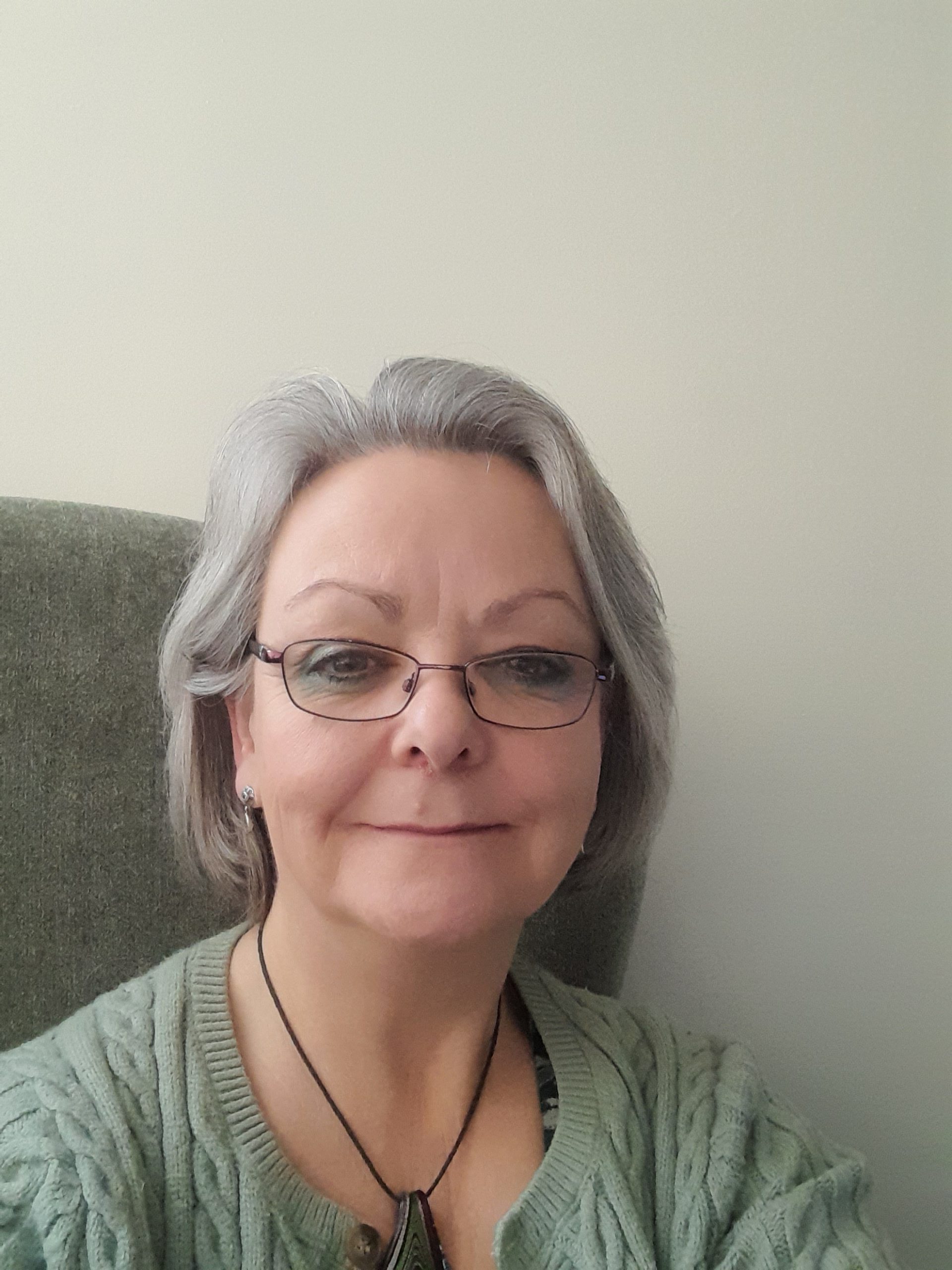
Ruth is a RELATE-trained Relationship Counsellor, offering couples therapy alongside a range of specialist approaches. As an Advanced Hypnotherapist, Certified Sleep Practitioner, and Master Practitioner in Eating Disorder Counselling, Ruth will bring together therapies that support deep, lasting change — tailored to each client’s unique needs.
Ruth is a fully qualified therapist and a member of the British Association for Counselling and Psychotherapy (BACP), the General Hypnotherapy Register (Advanced Practitioner and Acknowledged Supervisor), and the Integral Eye Movement Technique Association. Therapy work is in line with each organisation’s professional code of ethics.
Ruth's experience spans the voluntary sector and public services, including work in addiction, mental distress, and trauma.
Previous work undertaken has involved a long-term contract with an NHS Doctors’ Surgery as a hypnotherapist funded by the NHS Innovation Fund; I have supported emergency service personnel and hospice patients through palliative and bereavement counselling.
At the heart of Ruth's practice is a belief in safe, collaborative therapy — where every client feels heard, respected, and empowered to move forward.
I am currently undertaking the Level 7 Creative Supervisors training, which deepens and enriches my existing supervision practice. This advanced training strengthens my ability to offer reflective, relational and creativity-informed supervision for both trainee and qualified counsellors. My approach integrates person-centred, psychodynamic, systemic and creative methods, supporting practitioners to explore their work with depth, safety and curiosity while developing confidence, clarity and professional identity.





Hypnotherapy for Anxiety, Pain and Trauma
When life feels heavy — whether you're living with anxiety, chronic pain, or the emotional impact of trauma - hypnotherapy offers a gentle, natural way to support healing.
In our sessions, Ruth will guide you into a relaxed, focused state where your subconscious mind becomes
more open to change.
This deeper level of awareness allows us to gently shift patterns that may be contributing to distress: anxious thoughts, physical discomfort, emotional triggers, or behaviours that no longer serve you.
Hypnotherapy is a collaborative process. You remain fully in control at all times — nothing is ever “done to” you.
Ruth's role is to support and guide you in a safe, calm space where you can explore your inner world with
confidence and care.
Together, you will work toward lasting change — helping you feel more grounded, resilient, and at ease in your everyday life.
Eating disorders
At Time for Change Therapies CIC, we offer specialist support for individuals navigating eating disorders, including obesity and emotional eating.
Our approach is non-judgmental, client-centred, and rooted in understanding the complex relationship between food, emotions, and self-worth. Using a blend of therapeutic modalities—including Advanced Hypnotherapy, Integral Eye Movement Therapy (IEMT), and Eating Disorder Counselling—we help clients uncover underlying patterns, build healthier coping strategies, and reconnect with their bodies in a safe and supportive space.
Recovery is not about willpower—it’s about healing, insight, and compassionate change.
Relationship Counselling
Ruth undertook her training with RELATE, offering support to individuals with a wide range of relationship issues, such as:-
- Depression
- Anxiety
- Addition
- Stress
- Infidelity
- Trauma
- Communication
Whether that’s about a one-to-one relationship, family dynamic issues, or workplace relations. Counselling may help you make sense of things, feel more in control, and move forward in a way that’s right for you.
Couples Counselling
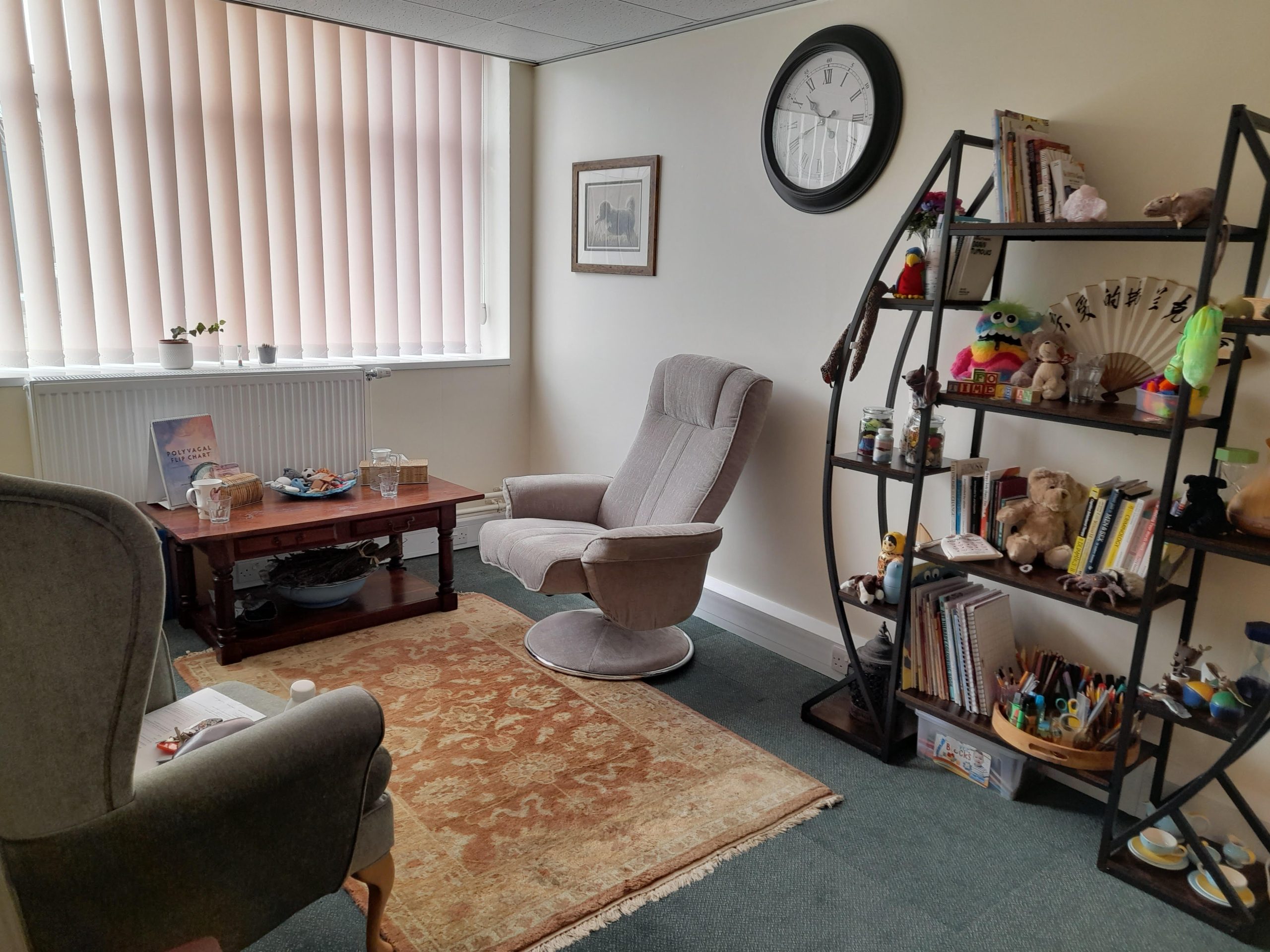
Time for Change therapy room provides a safe setting where couples relearn the importance of communication in relationships, marriage, intimacy, and many other topics. Ruth will work with you to find the joy in the little things that contribute to overall happiness and well-being.
This therapy intervention promotes constructive interaction aimed at achieving a mutually beneficial consensus.
Integral Eye Movement Technique (IEMT)
At Time for Change, we offer a safe, in-person space where transformation begins with compassion and connection. You’ll be met with warmth, respect, and a therapeutic approach tailored to your unique needs.
With the use of Integral Eye Movement Tech (IEMT)—a powerful, change-focused modality that helps clients shift stuck emotional patterns, reduce anxiety, and reprocess difficult memories without needing to relive them.
IEMT is particularly effective for those experiencing:
• Persistent negative self-beliefs
• Emotional overwhelm or anxiety
• Trauma-related responses
• Repetitive behavioural patterns
Whether you're navigating grief, relationship challenges, emotional eating, or simply seeking a new way forward, we’re here to support you with care, clarity, and clinical expertise.
Bereavement, Grief and Palliative Support
Whether you're navigating grief after a loss or facing the emotional weight of a life-limiting illness — either your own or a loved one’s — Ruth offers a safe, supportive space to explore what you're feeling.
Palliative support is about more than end-of-life care; it's about living with meaning, dignity, and connection, even in the most challenging times. Together, we can talk through the fears, sadness, and uncertainty, and find ways to bring comfort, clarity, and emotional resilience.
Ruth is here to help you have the conversations that may feel too difficult to have elsewhere.
CONTACT Ruth
Feel free to contact me to discuss how any of these therapies can be of benefit to you and to arrange an initial 30-minute telephone assessment. This enables us to discuss the reasons you are thinking of coming to counselling,
whether it could be helpful for you and whether I am the right therapist to help.
You can also reach me by calling 07895280113. Please leave a message if I do not answer, and I will return your call. I am happy to discuss any queries or questions you may have prior to arranging an initial appointment.
All enquires are usually answered within 48 hours, and all contact is strictly confidential.
MY LOCATION
FEES & AVAILABILITY
Sessions last up to 90 minutes, taking place Monday – Friday, with available Saturdays being pre-arranged.
Client Sessions - £55.
Supervision Sessions£45
Blue light card holders receive £10 off each session on presentation of their card.
Email to enquire and ask any further questions you may have.
Please note that cancellations will require 48 hours’ notice to avoid a discretionary charge being incurred.
Disability access + free parking on site
Empowering Change Together
At Time for Change Therapies, we help people improve their life chances by breaking free from negative thought patterns that can create or intensify barriers to wellbeing, engagement, and personal growth.
We believe that with the right support, people can be inspired to adopt a positive, ‘can do’ mindset — one that opens the door to confidence, resilience, and meaningful progress.
If you're seeking an innovative partner in delivering wellbeing and empowerment, we’d be delighted to connect and explore how we can work together.
We would also welcome any support via EasyFundraising. It's free to join, and the businesses you shop with make the donations on your behalf, helping us fund resources for our clients. Scan the QR code for further details or go to www.easyfundraisng.org.uk/causes/time-for-change-cic/

FREQUENTLY ASKED QUESTIONS
Counselling is usually a good way to help with a current problem; something that can be discussed and - hopefully - resolved within a limited number of sessions. Over a certain number of weeks the understanding of the problem improves and away forward becomes clear. Therapy often describes work that goes a bit deeper, towards more substantial life issues and problems having a deeper effect on the client’s life. Therapy often requires a long-term approach, so the number of sessions can be open-ended.
Which option is most suitable depends on the client and the difficulties they are facing. In some cases counselling works well as an ongoing, longer-term option - or therapy can manage to resolve an issue in just a few sessions.
How long a period of counselling lasts will vary from person to person and depend on the depth of the issues they are facing. For some people a couple of sessions helps to bring their problems into focus, and they feel ready to move forward; other problems may require more of an open-ended approach.
Before we begin any work we will agree on the number of sessions we’ll undertake, and at the end of that number review our progress. As long as we both agree further therapy will be of benefit to you, sessions can continue.
I aim to offer a first telephone appointment - known as an initial assessment - within 1-2 weeks. Then we would arrange a set number of counselling sessions to take place at the same time every week, which is convenient for you and where I have availability. How quickly these sessions can begin will depend on the availability of that free ‘slot’.
Everything that is said within the counselling room is private - this is one of the main ways counselling and therapy differ from talking to a friend or relative. Once you are comfortable with the format of weekly sessions and the safe space they provide, you will find that the freedom to speak in confidence is of great value.
Note that there are some situations where you may be a risk to yourself or others, and there the law requires that I notify an authority; in these cases, I may not be able to keep total confidentiality. Breaking confidentiality is very rare, though, and only happens after the person concerned has been informed.
Usually, I am asked this question by people who are nervous about entering into counselling, or when they are looking for support in coming to see a therapist. This anxiety is understandable, but a key aspect of therapy is that you should feel free to talk about any issues you feel are important to you. Having someone else with you who can be connected those issues makes this opening-up more difficult, so for this reason I do not see clients accompanied by friends or family.
©Time for Change Therapies CIC
Powered by WebHealer